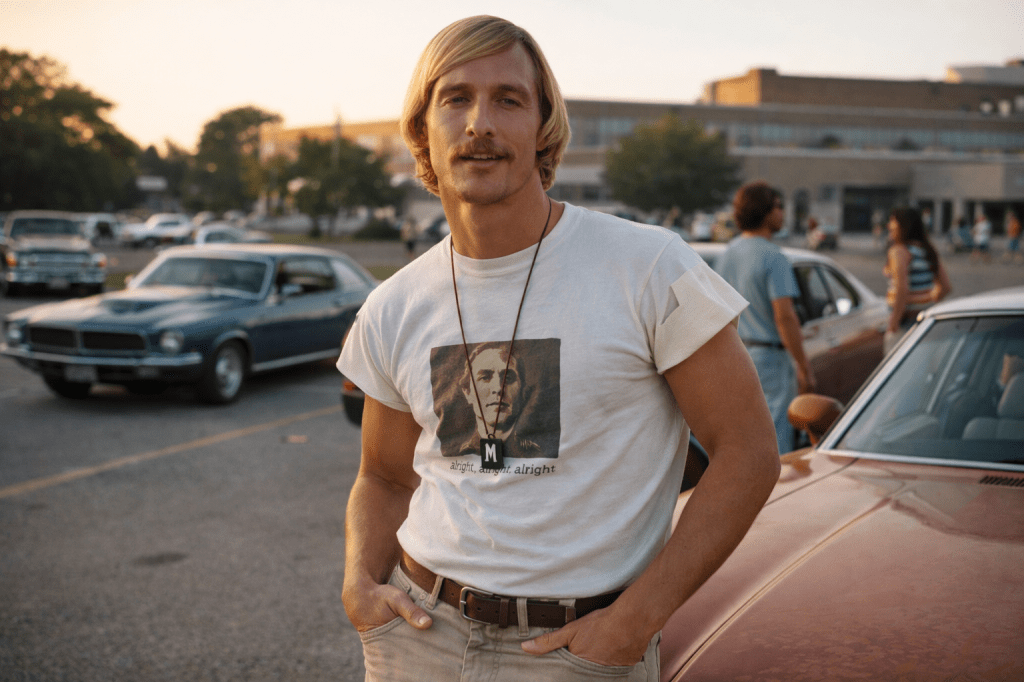
Like Paul Revere, news outlets rode through the town square to announce the latest defense strategy against AI misuse. Mathew McConaughey, an academy award winning actor, in an attempt to protect his likeness from AI abuse, registered his catchphrase “Alright Alright Alright” as well as 2 short video clips of himself in hopes of protecting his likeness. In an article by The Wall Street Journal, Matthew McConaughey reportedly wrote to the newspaper sharing that the purpose of his recent trademark registrations is to “create a clear perimeter around ownership with consent and attribution the norm in an AI world.” He further shared, “my team and I want to know that when my voice or likeness is ever used, it’s because I approved and signed off on it.”
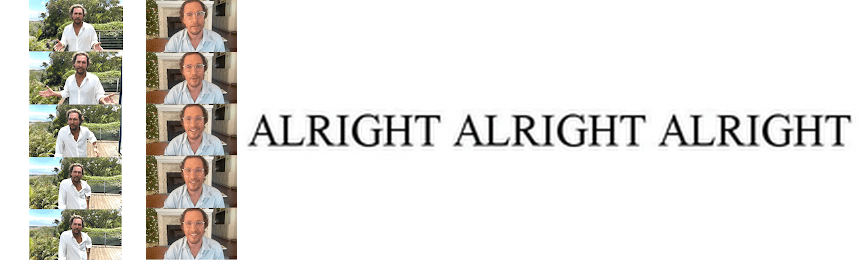
So, all you have to do is register your face in video format with the United States Patent and Trademark Office (USPTO) and you can protect your likeness from AI generated content, right? Well, not really.
Going back to the basics, the purpose of registering a trademark is to protect brand identity. The USPTO, on their trademark basics page, provides an explanation of what intellectual property rights, “Trademark, patent, or copyright,” you should pursue based on what is legally protected. “[A] federal trademark registration can provide nationwide legal protection for your brand in connection with particular goods or services.”
In order to register a trademark with the USPTO, you must show that the mark you are registering is being used in association with the identity of your brand. The main purpose of federal trademark registration is to prevent someone else from using the same mark and creating “consumer confusion.” Imagine if a bunch of athletic brands all used a check mark as their logo. Which one is the real Nike? Trademark law settles that question by priority. The brand that used the mark first and registered it with the USPTO gets nationwide rights, and because the registration puts everyone on notice, later users have to back off.
So how does this play into Matthew McConaughey’s recent trademark registrations? For starters, the marks were all registered in the name of his company, J.K. Livin Brands, Inc., which means the rights belong to the brand entity, not to McConaughey personally. They give the company the right to prevent others from using confusingly similar branding that could mislead consumers about the source of products or suggest a false endorsement. This protection is limited to trademark use in commerce and does not extend to Matthew McConaughey’s likeness or identity in general.The registrations don’t ban editorial or artistic uses, and they don’t magically outlaw AI-generated McConaugheys roaming the internet.
The current discourse surrounding Matthew McConaughey’s most recent trademark registrations appears to imply a far greater scope of protection than what a trademark actually offers. Trademarks protect brands, not celebrities as people. Celebrities, entrepreneurs, and AI skeptics might want to think twice before sprinting to the trademark office to register their likeness in hopes of stopping AI misuse. When it comes to someone like Matthew McConaughey, public scrutiny and media backlash may do more heavy lifting than trademark law can to ward off AI deepfakes. Trademarks police consumer confusion, not the internet.
As long as you are not using Matthew McConaughey’s name or likeness commercially or implying his endorsement (which triggers right-of-publicity and trademark laws), McConaughey remains legally free to be impersonated, parodied, illustrated, deepfaked, or badly impersonated to your heart’s content (subject, of course, to other laws and good taste).


Leave a Reply