
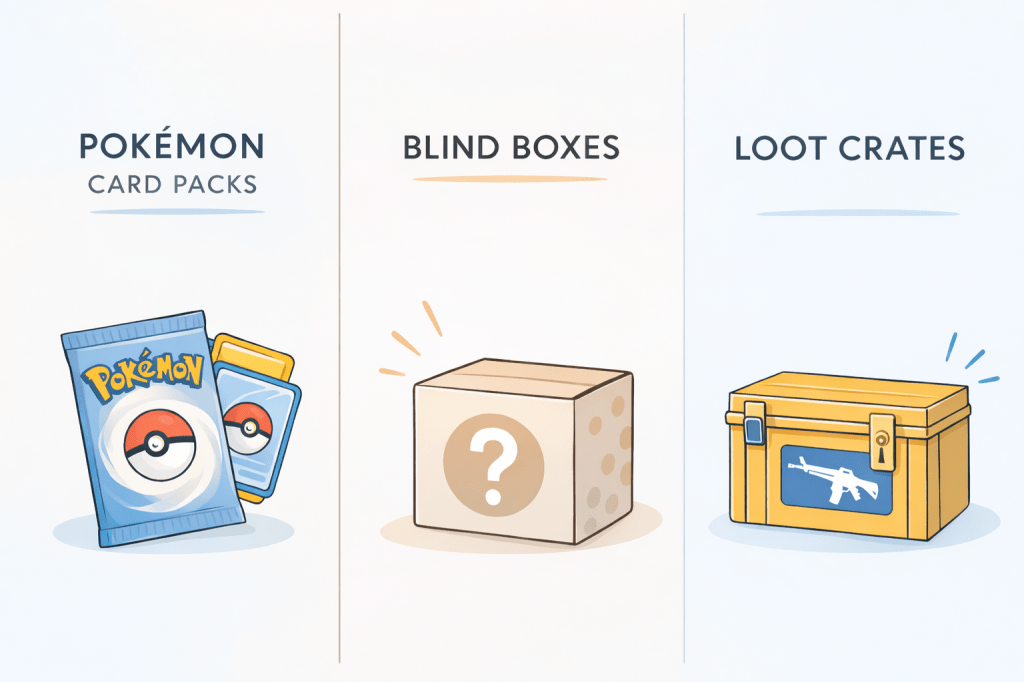
Modern video games have evolved far beyond simple entertainment. Many now operate as complex digital economies built around virtual currencies, item markets, and randomized rewards. At the center of this system sits one of gaming’s most controversial mechanics: the loot crate. Loot crates in gaming are virtual, randomized prize boxes that carry a chance of dropping various types of in-game prizes. The drops can include anything from cosmetic accessories, like a pet that follows you around, to weapons and other tools that aid gameplay. Counter-Strike 2 (“CS2”), for example, uses a version of this system that is limited to cosmetic rewards. In CS2, players can open “cases” that contain randomized weapon skins (visual designs that change the appearance of a weapon but do not affect gameplay performance or provide any competitive advantage).
Let’s meet the players. New York Attorney General Leticia James has filed suit against Valve, an US based video game developer known for creating Steam, one of the largest platforms for game distribution, and well-known games like Half-Life, Counter-Strike, Portal, Day of Defeat, Team Fortress, Left 4 Dead, and Dota. According to the lawsuit, Valve generated billions by promoting systems that encourage users, many of them underage, to gamble for valuable virtual items. Players spend money to open loot crates for randomized rewards, and rare items can later be sold for real cash through online markets. The Attorney General is seeking to halt these practices and require Valve to pay fines and surrender its profits.


What’s the issue? Critics argue that loot crates share several defining characteristics of gambling. Players spend real money for a chance at a valuable reward, with the outcome determined entirely by probability. This system mirrors traditional gambling mechanics, where participants pay for the possibility of a high-value payoff.
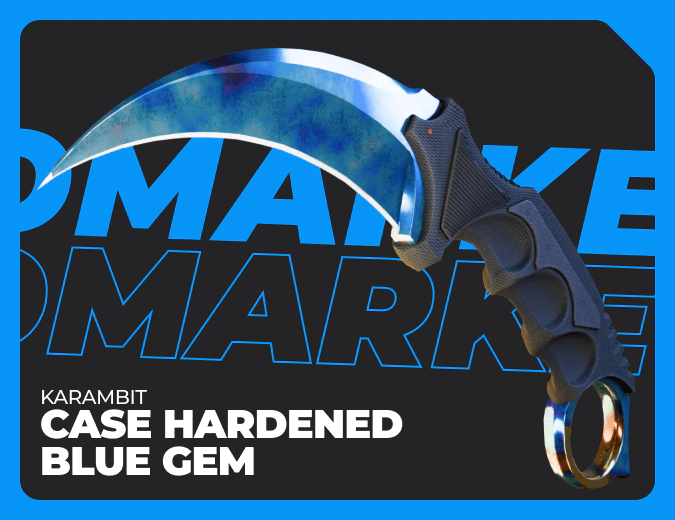
Take for example the blue gem karambit from the popular shooter game CS2 (see below). blue gem karambits are among the rarest items in CS2, with fewer than 50 authentic examples known to exist and some reportedly selling for over $1.5 million. Their extreme value comes from extraordinarily low odds: players first face roughly a 1 in 385 (0.26%) chance of unboxing any knife, then must hit one of the very few “Blue Gem” patterns among 1,000 possible designs. Overall, the odds of unboxing any blue gem karambit are estimated at around 1 in 100,000, while obtaining the most famous pattern (#387) in “factory new” condition drops the probability to roughly 1 in 131 million. With odds like these, it creates a perfect storm that pushes thrill-seeking players to chase the possibility of a once-in-a-lifetime drop.
https://dmarket.com/blog/most-expensive-csgo-skins/?srsltid=AfmBOooya7ybzUN62OSwb-doH_puTqczWomrdHffOhdbKY8Z1OIMiujj
The current lawsuit against Valve is not the first time that concern has been expressed surrounding gambling in video games. Recent lawsuits have accused major game developers of operating systems that effectively enable gambling through virtual items. Countries around the world have expressed concern that many participants in these systems are minors.
The UK government has addressed the risks of skins gambling in its report A Rapid Evidence Review of Skins Gambling, highlighting concerns about youth participation and potential gambling harms. The review found that skins gambling is disproportionately common among younger males, particularly adolescents, with 11–14-year-olds more than twice as likely to participate as 22–24-year-olds, suggesting it may introduce gambling behaviors at an earlier age. The report also notes that skins gambling is associated with traditional monetary gambling and higher problem-gambling severity, and that activities such as loot box use and gambling-like video games may act as pathways into skins gambling (betting or wagering using virtual cosmetic items (“skins”) from video games instead of real money). These findings raise broader regulatory concerns about how gambling-like mechanics within video games should be classified and addressed by law.
What’s at stake? The central policy question is whether loot crates should legally be considered gambling. Game developers like Valve have pushed back against the claims that loot crates are a form of gambling. Valve defended loot boxes by emphasizing their similarity to physical collectible products. “We shared with the NYAG that these types of boxes in our games are widely used, not just in video games but in the tangible world as well, where generations have grown up opening baseball card packs and blind boxes and bags, and then trading and selling the items they receive,” Valve wrote. The company compared the systems to products like baseball cards, Pokémon cards, Magic: The Gathering cards, and Labubu toys, and noted that similar digital packs have existed since 2004 and are widely used across the gaming industry.
The main issue with the loot crate mechanic in games is the transferability of prizes between players and the use of third-party websites that allow those virtual items to be exchanged for real currency. Valve has taken a strong stance supporting item transferability. In its response to the New York Attorney General on March 11, 2026, Valve argued that “the transferability of a digital game item is good for consumers,” explaining that it allows players to sell or trade unwanted items in much the same way someone might exchange a physical collectible such as a Pokémon or baseball card. The company also criticized proposals that would restrict this feature, stating that regulators were effectively seeking to remove users’ ability to transfer digital items and emphasizing that transferability is a right it believes “should not be taken away,” adding that it does not intend to eliminate that capability.
In Defense of Virtual Blind Boxes. Valve’s position also raises a broader question about regulatory consistency. Randomized collectibles have existed for decades in physical form, children regularly open blind boxes or Pokémon cards without those products being treated as gambling. If purchasing a pack of Pokémon cards for the chance of pulling a rare holographic card is considered a normal collectible activity, it is worth asking why a similar randomized reward system in a video game is often viewed through a fundamentally different legal lens. The distinction becomes even less clear when digital items, like physical collectibles, can be traded or sold among collectors. Critics argue that digital loot boxes differ because they can be opened instantly, repeatedly, and sometimes with real-money resale markets attached. Still, the comparison to physical trading cards raises a difficult question for regulators: where exactly is the line between collectible products and gambling?
Ultimately, the debate over loot boxes highlights a broader challenge for regulators: determining where the line between collectibles and gambling should be drawn in an increasingly digital economy. Randomized rewards have long existed in physical products like trading cards, yet similar mechanics in video games face far greater scrutiny. As regulators continue to evaluate these systems, the key question may not simply be whether loot boxes resemble gambling, but whether digital collectibles should be treated differently from their physical counterparts.
 IP Law in Context
Leave a comment